Antimicrobial PKPD Lab Logo APPL - Home Link

Replacing Animal Experiments


Adherence to the principles of Replacement, Reduction and Refinement of techniques is mandated by UK law and EU directive for studies involving animals, and efforts to secure a replacement for animal experimental models are an obligation from ethical, moral and legal positions.

Antibiotic drug development/discovery usually begins with laboratory experiments with promising drug candidates routinely proceeding to animal models prior to being tested in clinical trials. Previous studies have highlighted the limitations of the pipeline in that laboratory results are rarely in accordance with results seen in animal experiments, which in turn often do not translate well into studies in humans.
The hollow-fibre infection model is a translational experimental system that enables the mimicking of changes in drug concentrations over time. This experimental setup allows evaluation of new antibiotics and at conditions that resemble the human setting more closely when compared with other laboratory experiments. The experimental setup allows mimicking changing antibiotic drug concentrations at human conditions more closely when compared with animal experiments. Despite the hollow fibre system being now well-established, it remains under-utilised. We have validated the hollow-fibre infection model against historical animal data, demonstrating results are in accordance. We have replicated published animal experiments in the hollow-fibre infection system.   Schematic Hollow-fibre diagram
Hollow-fibre filtration module cut-away image   Traditionally, in vitro antimicrobial drug testing begins with an evaluation of minimum inhibitory concentrations - bacteria is exposed to a range of concentrations of a drug in small volumes and an evaluation of antimicrobial susceptibility is made. Minimum inhibitory concentrations indicate the bacteria’s innate susceptibility to the drug in a controlled environment. Subsequently, static time-kill experiments are typically performed that require larger volumes of growth media and bacterial loads to quantify antibiotic effect over time with fixed drug concentrations.
The hollow-fibre infection model is a multi-compartment continuous flow experimental system that mimics the flow of nutrients and drugs in a living organism in a manner that is unachievable in traditional static experimental models. In addition, as a closed system it allows for extended duration multi-dosing experiments that can match therapeutic dosing regimens.

Animal experiments such as mouse lung and thigh infection models are considered a necessary step between in vitro studies and human clinical trials. However, there are differences in pathophysiology, immunology, and PK between species. Thigh muscle infections mimic soft-tissue infections in humans, and a lung infection model is used for the targeting of bacteria causing pneumonia. Due to interspecific variability such as immune response, drug toxicity, drug clearance and metabolism, animal studies can be a poor predictor of results in human studies.

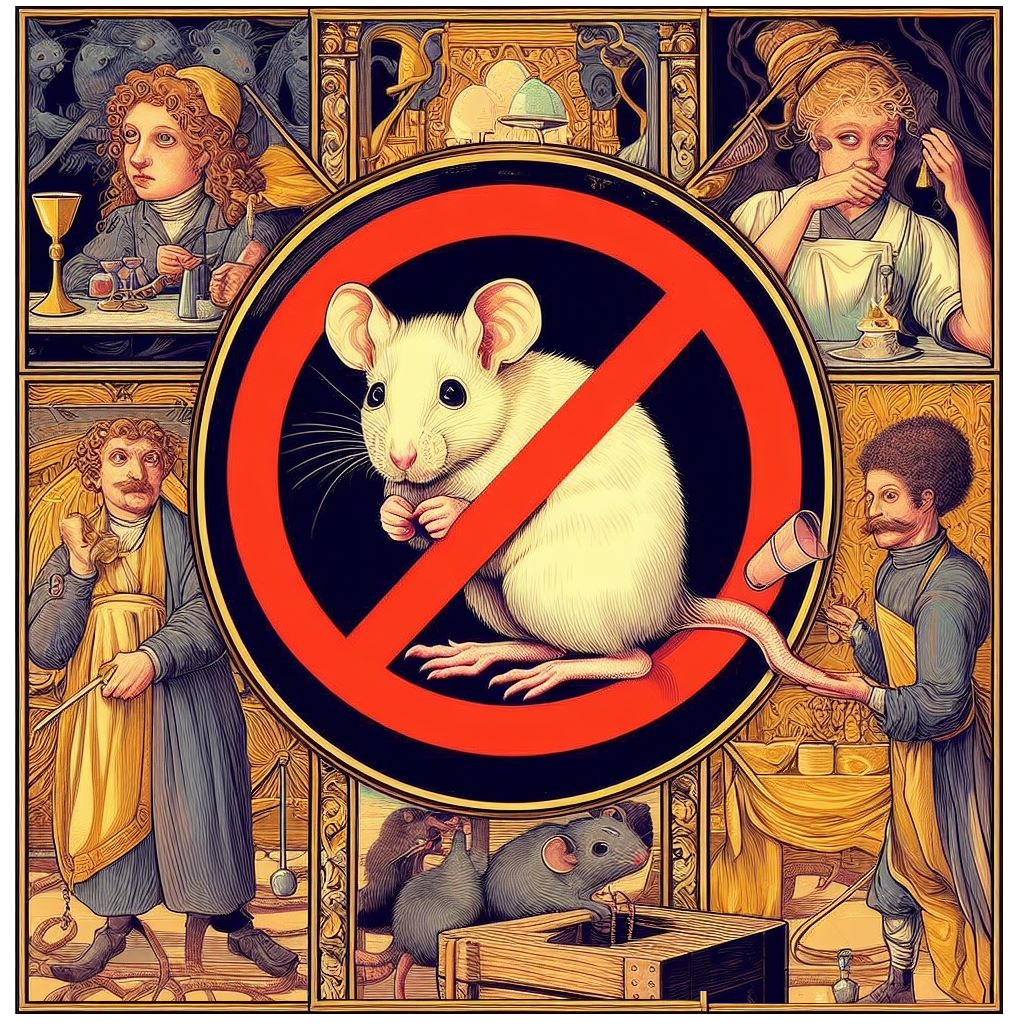
The neutropenic mouse model is a preclinical model that involves the depletion of neutrophils in mice to study the effects of drugs on bacterial infections. With no immune system natively present in the hollow-fibre infection model it is a direct equivalent of, and a viable replacement for the neutropenic mouse model which is still commonly used. The HFIM has several additional advantages over the neutropenic mouse model, including its ability to mimic long-term physiologically relevant in vivo profiles, its flexibility, and reproducibility.

We have shown that the hollow-fibre infection model can and should be used as a direct substitution for the neutropenic mouse model.


We continue to research alternatives to animal experimental models.
  No Mouse Experiments Graphic


Contact Us


Antimicrobial Pharmacokinetic Pharmacodynamic Laboratory
UCL Great Ormond Street Institute of Child Health
30 Guilford Street
London WC1N 1EH

Email:
mail@antimicrobialpkpdlab.co.uk
hfim@ucl.ac.uk
LinkedIn Icon YouTube icon Facebook icon Instagram icon Twitter icon